

Step into the enchanting world of korean traditional makeup, where centuries-old beauty rituals create looks that are as radiant as they are effortless. In 2026, these timeless techniques are captivating beauty lovers everywhere, blending heritage with fresh, modern trends.
Curious about the secrets behind porcelain skin, soft brows, and a natural rosy flush? This guide reveals the artistry behind glowing, healthy beauty—no complicated steps required.
Ready to explore? Discover:
- The fascinating origins of korean makeup
- Step-by-step traditional application
- Nature-powered ingredients and their symbolism
- Modern tips for easy work makeup and quick routines
Let’s uncover the ultimate routine for luminous, iconic beauty.
The Roots of Korean Traditional Makeup: History & Cultural Significance
Unlocking the secrets of korean traditional makeup means stepping into a world where beauty reflects culture, history, and personal identity. The story of korean traditional makeup is a vibrant journey, from ancient dynasties to today's K-drama icons.
Evolution Through the Dynasties
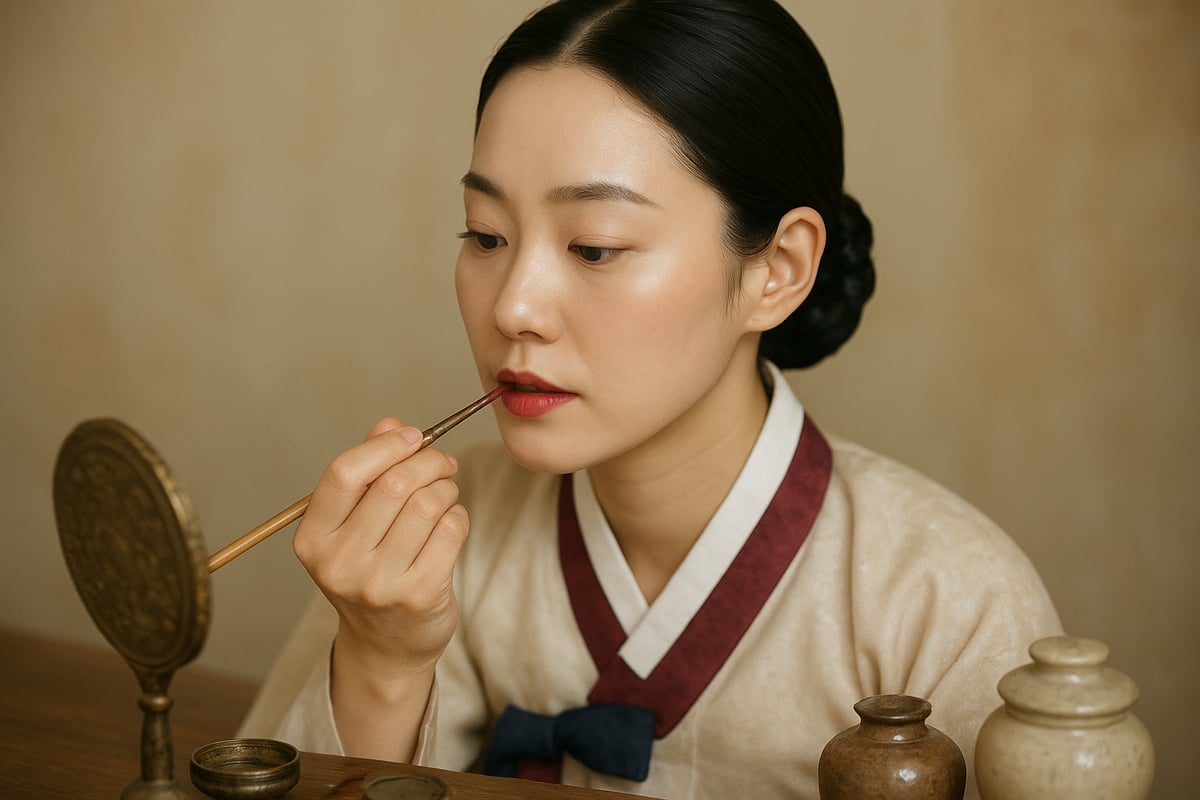
The evolution of korean traditional makeup spans centuries, shaped by shifting aesthetics and cultural values. In the Three Kingdoms period, both men and women used simple plant-based pigments for ceremonial occasions, setting the stage for beauty as ritual.
With the rise of the Goryeo and Joseon dynasties, Confucian beliefs took root, promoting modesty and naturalness as the highest ideals. Royal courts favored a luminous, porcelain complexion, achieved with finely milled rice powder and herbal blends. Makeup for commoners was more subdued, reflecting social rank and strict regulations.
- Ceremonial Significance: Makeup was essential for weddings, ancestral rites, and public celebrations.
- Gender Roles: Men in the royal court often wore subtle powders and balms, highlighting the inclusivity of korean traditional makeup.
- Gisaeng Icon: Female entertainers known as gisaeng set trends with their distinctive straight brows and vivid lips, blending artistry with societal expectations.
Comparing traditions, Korean beauty emphasized understated elegance, contrasting with the ornate styles of China and the dramatic touches of Japan. For a deeper look at these historical transformations and cultural influences, explore the Evolution of Korean makeup for a comprehensive perspective.
Symbolism & Social Status
Korean traditional makeup was never just about appearance, it was a language of color and status. Each shade carried meaning: radiant white skin symbolized purity and moral virtue, while bold red lips spoke of vitality and good fortune.
- Status Symbol: Only the elite could access precious ingredients like safflower oil or imported powders.
- Social Taboos: Strict rules limited makeup use among certain classes, reinforcing boundaries between nobility and commoners.
- Color Code: Pink and peach tones were reserved for youthful energy, while deeper reds signaled maturity.
Regulations sometimes banned extravagant cosmetics, yet these looks endured through subtle adaptation. Today, the influence of korean traditional makeup is everywhere, from blockbuster K-dramas to global beauty trends. According to a 2024 survey, over 60 percent of Korean women draw inspiration from historical beauty, embracing its timeless appeal in their modern routines.
Korean traditional makeup remains a symbol of heritage, artistry, and quiet confidence—proof that natural radiance never goes out of style.
Core Elements of Korean Traditional Makeup
Unlocking the secrets of korean traditional makeup means exploring a world where beauty rituals are as elegant as they are effective. Each step, from skin preparation to finishing touches, is rooted in centuries of wisdom, yet perfectly suited for today’s easy work makeup routines. Let’s break down the essential elements that define this timeless look—skin, features, and signature colors.
Skin as Canvas: The Pursuit of Porcelain Perfection
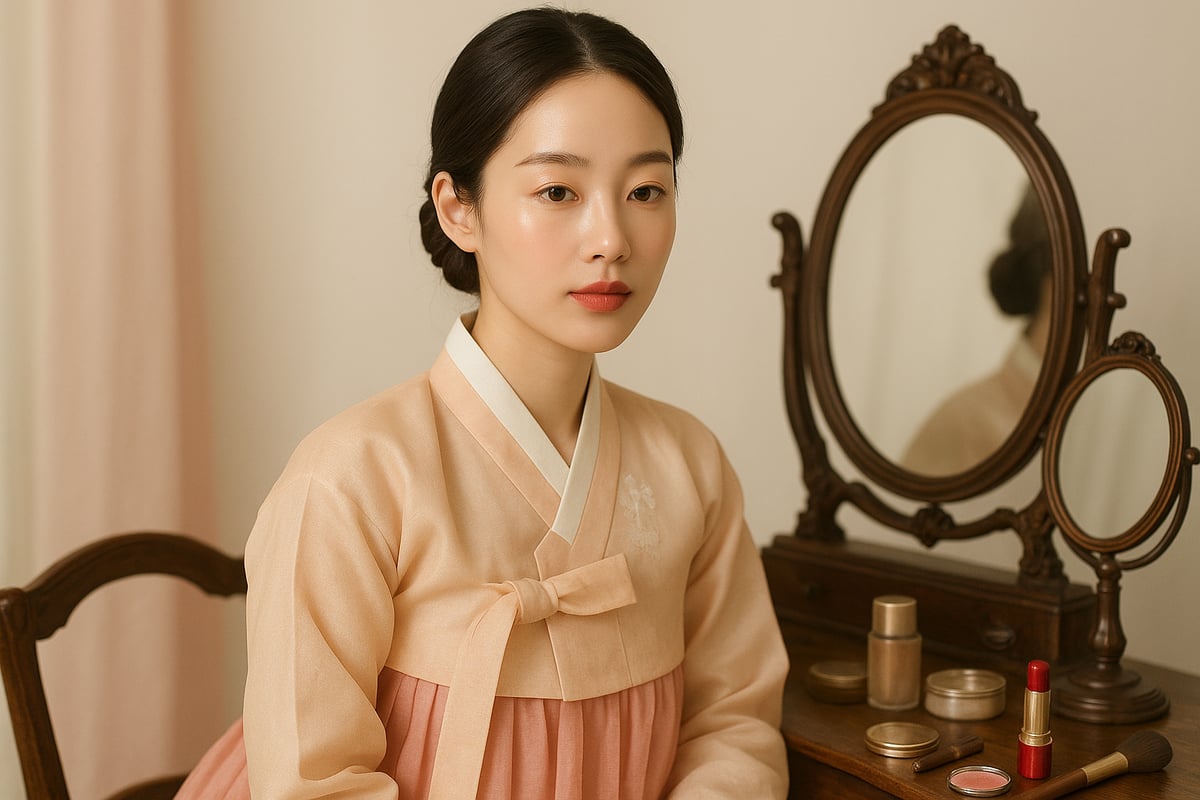
In korean traditional makeup, flawless, luminous skin forms the heart of every look. Historical beauty icons like Queen Min were renowned for their radiant, porcelain complexion—a goal achieved through meticulous skincare and natural powders. Ancient formulas relied on baekbun (whitening powder), rice flour, and herbal blends to create a soft, lit-from-within glow.
How to achieve this dewy effect?
- Begin with gentle double cleansing, often using rice water for brightening.
- Layer lightweight essences and lotions to lock in hydration.
- Apply a luminous base: traditional powders for a matte finish, or opt for cushion formulas to mimic the coveted glass skin look.
For a modern twist, use a damp puff to blend product seamlessly, achieving a soft-focus blur that looks fresh and youthful. This layering technique, a hallmark of korean traditional makeup, is now echoed in K-beauty’s love for buildable, bouncy textures. Whether you prefer a classic matte or a contemporary dewy finish, the secret lies in thoughtful, featherlight application.
| Finish Type | Historical Preference | Modern Adaptation |
|---|---|---|
| Dewy | Royalty, ceremonies | “Glass skin” trend |
| Matte | Everyday, commoners | Velvety BB cushions |
Defining Features: Brows, Eyes, and Lips
The artistry of korean traditional makeup shines in its subtle definition of brows, eyes, and lips. Straight, softly arched brows signaled innocence and virtue, while natural pigments like charcoal or plant ash enhanced the eyes without overwhelming them. This created a wide-eyed, youthful effect—ideal for easy work makeup or a quick 5-minute smoky eye.
Feature How-To:
- Brows: Map out the shape for symmetry, fill with gentle strokes, and set with a clear gel for a natural look.
- Eyes: Sweep a neutral or peach shadow across lids, define the lash line with a thin line of brown or charcoal liner, and finish with a single coat of mascara.
- Blush: Placement is key—blend a soft pink or coral hue high on the cheeks and across the nose bridge for a healthy flush. For step-by-step techniques, see How to Apply Blush Flawlessly.
The signature gradient lip, created with natural tints like yeonji, starts with color concentrated at the center and gently blended outward. This technique, a staple of korean traditional makeup, ensures lips look naturally vibrant and effortlessly chic.
Signature Colors & Textures
Color and texture are where korean traditional makeup truly dazzles. Red, pink, and peach tones are more than just beautiful—they carry deep symbolism. Red represents vitality, pink suggests youth, and peach speaks to warmth and approachability. Soft powders, balms, and tints allow for easy blending, perfect for quick touch-ups or finger application on the go.
Historical beauty experts used natural pigments from safflower, camellia oil, and other botanicals to achieve a subtle sheen and fresh color payoff. Unlike the bold, dramatic makeup seen in Western traditions, korean traditional makeup favors understated elegance and subtle sophistication.
Quick Color Guide:
- Red: Vitality, celebration
- Pink: Innocence, tenderness
- Peach: Health, warmth
These hues, paired with blendable, portable formulas, make recreating classic looks both fun and accessible for everyone.
Timeless Beauty Ingredients: Nature’s Secrets in Traditional Korean Makeup
Unlocking the glow of korean traditional makeup is all about harnessing the purest gifts from nature. For centuries, beauty rituals in Korea have celebrated plant-based pigments, gentle oils, and thoughtful preparation. These time-honored secrets are now inspiring modern K-beauty, making your everyday routine feel like an enchanting self-care ceremony.
Herbal & Natural Pigments
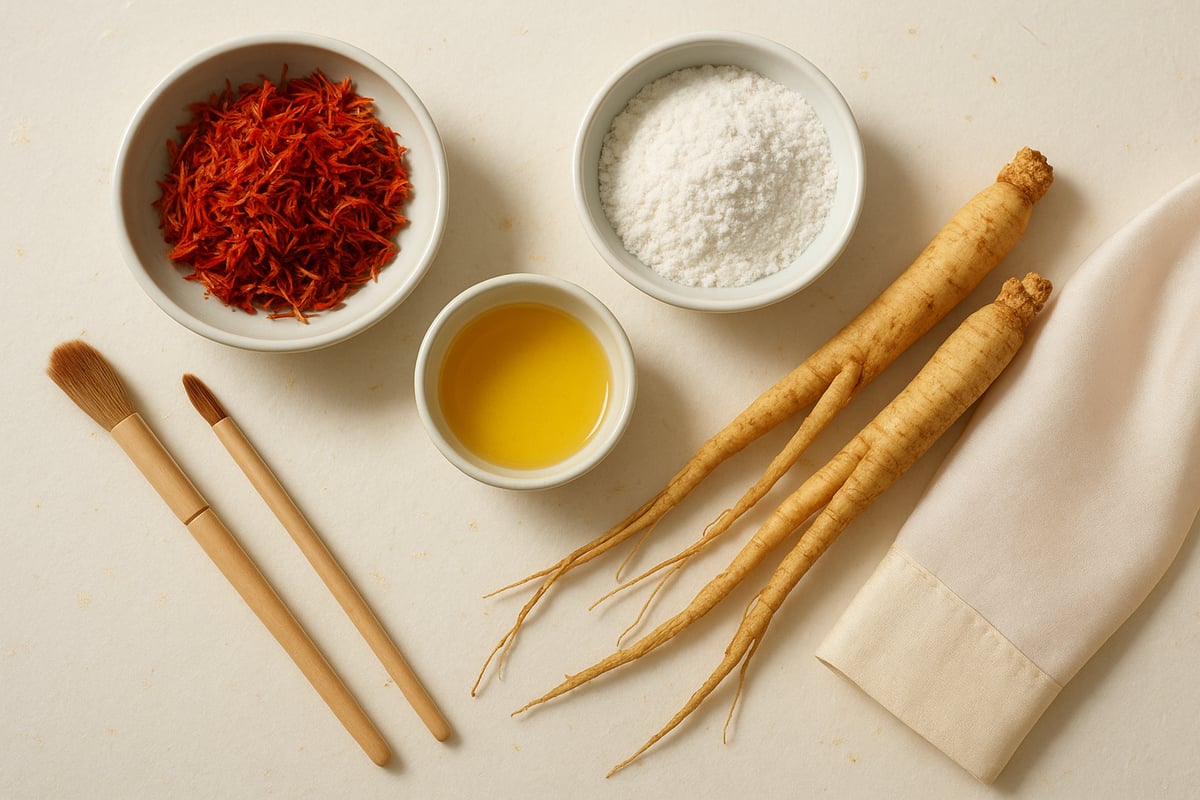
The soul of korean traditional makeup lies in its vibrant, skin-loving pigments. Ancient Korean artisans favored ingredients that were as nourishing as they were beautiful. Some of the most iconic elements include:
- Safflower petals: Used for stunning red and pink tints on lips and cheeks.
- Rice powder: A staple for brightening and smoothing the complexion, creating a porcelain finish.
- Camellia and apricot oils: Delivering lightweight hydration and a signature dewy glow.
- Ginseng, mugwort, and green tea: Calming and protecting sensitive skin.
- Beeswax and honey: Blended into balms for extra softness and shine.
These natural treasures were carefully chosen for both their color and skincare benefits, ensuring that every swipe enhanced the wearer’s radiance. For a deeper dive into the origins and uses of these ingredients, explore this guide on traditional Korean makeup ingredients.
In korean traditional makeup, every pigment tells a story. Safflower’s vivid red symbolized vitality, while pale rice tones stood for purity. This thoughtful approach makes each look as meaningful as it is beautiful.
Rituals & Preparation Techniques
Creating the perfect blend for korean traditional makeup was an art in itself. Preparation rituals were passed down through generations, with each family guarding their unique recipes.
- Grinding and infusing: Artisans would hand-grind flower petals or seeds, then infuse them in oils or water to extract color.
- Steaming and fermenting: These methods enhanced the potency and skin-friendliness of herbal ingredients, making each formula more effective.
- Careful layering: Powders, balms, and tints were applied in soft, buildable layers for that coveted soft-focus blur.
Imagine preparing your own easy work makeup look by blending a few drops of camellia oil with rice powder—just like in historic Korean households. These tactile, hands-on steps make every routine feel personal and mindful.
Today, K-beauty brands are reviving these traditions with modern twists. Stacked palettes, bouncy cushion blushes, and finger-friendly tints let you recreate classic looks in just minutes, wherever you are.
Safety & Efficacy
One of the greatest strengths of korean traditional makeup is its commitment to gentle, non-toxic formulas. Historical recipes deliberately avoided heavy metals and harsh chemicals, focusing instead on what was safe for daily use.
- Non-toxic pigments: Only plant-based or mineral colors were selected.
- Skin-friendly bases: Oils and powders doubled as skincare, soothing and nourishing while adding color.
- Historical wisdom: Beauty artisans kept a close eye on ingredient sourcing, ensuring purity and safety for all users.
Recent reports show a surge in demand for “hanbang” (herbal) cosmetics, with consumers seeking the clean, effective approach of traditional Korean beauty. This gentle philosophy is perfect for anyone wanting luminous results without irritation.
With korean traditional makeup, you get the best of both worlds: timeless elegance and trustworthy safety. Whether you are aiming for a 5-minute hanbok-inspired look or a full ceremonial glow, these ingredients keep your skin happy and radiant.
Step-by-Step: How to Recreate a Classic Korean Traditional Makeup Look
Unlock the beauty of centuries-old rituals with a modern twist! Follow this simple, step-by-step guide to master a timeless korean traditional makeup routine. Each phase combines heritage techniques with today’s K-Beauty favorites for effortless, radiant results—perfect for both special occasions and quick, easy work makeup.
Step 1: Prep and Perfect the Skin
The foundation of korean traditional makeup is glowing, flawless skin. Begin with a gentle double cleanse using rice water or a herbal-infused cleanser to purify and brighten. This ritual not only removes impurities but also preps your skin for hydration.
Next, layer on a lightweight essence or lotion to flood your skin with moisture. For that signature dewy glow, apply a luminous base—whether it’s a modern cushion compact, BB cream, or a classic rice powder. Use a damp puff to gently press the product into your skin, creating a soft-focus blur that mimics the porcelain finish favored in historical Korean beauty.
Pro Tip: Tap product on with your fingers or a cushion for a seamless, bouncy texture. This technique is quick and perfect for easy work makeup, making it simple to achieve a radiant look in minutes.
Step 2: Sculpt Soft, Straight Brows
Brows frame the face in korean traditional makeup, often kept straight or softly arched to evoke innocence and harmony. Start by mapping out your brows for balanced symmetry, using a brow pencil or powder that matches your natural hair color.
Create gentle, feathered strokes, focusing on a fuller inner brow and a soft taper toward the tail. Set with a clear or tinted brow gel to keep hairs in place while maintaining a natural finish. This understated style is ideal for both traditional looks and modern, everyday routines.
Pro Tip: For an authentic touch, use your finger to blend out harsh lines. This finger-friendly method is both fast and portable, perfect for touch-ups on the go.
Step 3: Subtle Eye Definition
Korean traditional makeup highlights the eyes with a subtle, natural definition. Sweep a neutral or peach-toned eyeshadow across your lids for a hint of color and warmth. Use a thin line of charcoal or brown liner close to the lash line to softly define the eyes, mimicking the understated charm seen in historical portraits.
Curl your lashes and add a light coat of mascara to open up the eyes without overpowering the look. Smudge the liner slightly for a soft-focus, innocent effect—a technique that works wonders for a 5-minute smoky eye with a delicate twist.
Pro Tip: Use your ring finger to blend eyeshadow for a natural, diffused look. This approach is gentle on the skin and keeps your routine mess-free.
Step 4: Add a Youthful Flush
A healthy flush is an essential element of korean traditional makeup, symbolizing vitality and liveliness. Choose a cream or liquid blush in soft pink, coral, or red tones. Using your fingertips, dab and blend the color onto the apples of your cheeks and across the nose bridge for a naturally sun-kissed effect.
Layer the blush for a buildable, radiant glow. The creamy texture blends effortlessly, delivering a bouncy, fresh finish reminiscent of historical beauty practices.
Pro Tip: For an all-day look, set cream blush with a light dusting of translucent powder. This keeps the color vibrant and your complexion glowing.
Step 5: Signature Gradient Lips
The gradient lip is a hallmark of korean traditional makeup, inspired by the vivid yet subtle red tints used throughout history. Begin by applying a nourishing lip balm or camellia oil to prep and hydrate your lips. Next, dab a red or pink tint at the center and blend outward with your fingertip for a soft, blurred gradient.
Seal the look with a touch of clear gloss for extra shine and dimension. For more inspiration on mastering this technique and its cultural background, explore Korean Makeup Site Insights.
Pro Tip: Use a bouncy, stackable lip tint for ultimate convenience—perfect for quick touch-ups and travel-friendly beauty.
Step 6: Finishing Touches
Complete your korean traditional makeup look by highlighting the high points of your face with a pearlescent powder. This adds a luminous, lit-from-within glow that enhances natural features. Mist your face with a hydrating spray to set everything in place and refresh throughout the day.
Quick Recap:
- Radiant, dewy skin is your canvas
- Soft, straight brows frame your look
- Subtle eyes and a healthy flush bring youthful energy
- Gradient lips and glowing highlights add the finishing touch
With these easy steps, you can create a modern hanbok-inspired look in just five minutes, blending traditional elegance with contemporary convenience.
Modern Interpretations: Bringing Traditional Korean Makeup into 2026
Step into 2026, where the legacy of korean traditional makeup is more vibrant than ever. Today’s beauty lovers are embracing centuries-old techniques, updating them with playful twists and innovative products that fit our fast-paced, on-the-go lifestyles. The result? Timeless elegance meets everyday convenience, all wrapped up in a glow that feels fresh and effortless.
Fusion of Tradition and Trend
The world has fallen in love with the artistry and subtlety of korean traditional makeup. In 2026, this fascination is fueling a wave of beauty products that blend historical wisdom with modern flair. Brands are reimagining classic looks, offering everything from radiant cushion foundations to multi-use tints that echo the gentle flush and gradient lips of Joseon-era beauties.
K-pop stars and red carpet celebrities are leading the charge, often seen sporting softly arched brows, luminous skin, and the iconic gradient lip. These looks, inspired by historic beauty rituals, are now accessible to all thanks to compact, finger-friendly formats.
Modern packaging pays homage to tradition. Stacked eyeshadows and cushion blushes make it easy to layer and blend, capturing the essence of natural, dewy beauty. This fusion is not just about style, but also about celebrating heritage while making beauty routines more intuitive.
For a deeper dive into how these trends bridge the past and present, explore What Is K-Beauty and Why You Should Try It, which highlights the roots and evolution of korean traditional makeup.
Everyday Adaptability
Korean traditional makeup is no longer reserved for special occasions or period dramas. In 2026, it’s inspiring “easy work makeup” routines that anyone can master in minutes. The focus is on skin that glows with a soft-focus blur, brows that frame the face naturally, and lips that bloom with a subtle, healthy tint.
How to Bring Traditional Looks into Your Routine:
- Use cushion compacts for a quick, dewy finish.
- Opt for multi-use tints that double as lip and cheek color.
- Try stackable palettes for on-the-go touch-ups.
- Apply with fingers for a seamless, natural effect.
This approach means you can create a modern hanbok-inspired look in as little as five minutes. The 2026 trend forecast points to a continued rise in these simplified routines, with products designed for portability and ease. Whether you’re headed to work or out with friends, you can channel the grace of korean traditional makeup with minimal effort and maximum impact.
Kaja Beauty: Blending Tradition with Innovation
Kaja Beauty is at the forefront of this movement, reimagining korean traditional makeup for the modern world. Their playful, multi-tasking products echo the versatility and simplicity of classic beauty rituals, while offering contemporary convenience.
Why Kaja Stands Out:
- Bouncy textures make application fun and effortless.
- Stacked designs keep your essentials organized and portable.
- Finger-friendly formulas allow for quick blending and touch-ups anywhere.
- Cruelty-free and inspired by traditional ingredients like camellia oil and rice extract.
With Kaja’s compact cushion blushes, dewy lip tints, and innovative stacked eyeshadows, anyone can recreate a timeless korean traditional makeup look with a fresh twist. Whether you’re a beauty beginner or a seasoned pro, these products invite you to experiment, express yourself, and celebrate your unique style—always with a nod to heritage.
The Enduring Allure: Why Korean Traditional Makeup Remains Iconic
The magic of korean traditional makeup lies in its ability to transcend time and trend. Its signature soft-focus glow, gentle hues, and effortless techniques continue to inspire beauty lovers both in Korea and around the world. This enduring legacy is not just about appearance, but about the deep cultural roots and emotional resonance that have made these looks iconic.
Cultural Legacy & Modern Appeal
Korean traditional makeup is anchored in a rich heritage that celebrates natural beauty and mindful self-expression. From the Silla Dynasty to the Joseon era, beauty rituals have symbolized purity, vitality, and social status. The use of rice powders and vibrant tints is deeply woven into Korean history, as explored in Silla Dynasty beauty practices.
Today, these traditions influence not only K-beauty trends but global beauty standards. The radiant skin, soft blush, and subtle lips of korean traditional makeup have become a universal symbol of sophistication.
- K-dramas and films showcase these looks, making them accessible to new generations.
- Art and fashion continue to reinterpret classic elements, blending them with modern style.
- Emotional connections to heritage are fostered through rituals passed down in families.
A 2025 global survey found that Korean beauty exports rose 17 percent, driven largely by the appeal of traditional-inspired trends. The modern adaptation of Joseon-era bridal beauty traditions highlights how ancient rituals remain relevant for contemporary celebrations. This fusion of past and present ensures that korean traditional makeup remains at the forefront of beauty conversations worldwide.
Empowerment Through Simplicity
One of the most empowering aspects of korean traditional makeup is its simplicity. These techniques are accessible, easy to master, and suitable for all ages and skill levels. Whether you are crafting a 5-minute smoky eye or a quick hanbok-inspired look, the focus is always on enhancing natural features with minimal effort.
- Step-by-step routines encourage mindful self-care, turning makeup into a relaxing ritual.
- Products like cushion blushes and finger-applied tints make it easy to achieve a dewy glow anywhere.
- Social media platforms are filled with everyday users sharing their takes on korean traditional makeup, celebrating individuality within a timeless framework.
This approach to beauty empowers everyone to express themselves confidently, whether for daily wear or special occasions. The enduring appeal of these looks lies in their ability to adapt to modern lifestyles while honoring the wisdom of the past. Through its blend of heritage and innovation, korean traditional makeup continues to inspire and empower beauty lovers globally.
As you’ve explored the rich history, techniques, and enduring charm of Korean traditional makeup, it’s clear these beauty secrets are truly timeless. Embracing heritage doesn’t mean sacrificing innovation—in fact, today’s most iconic K-beauty looks are easier than ever to achieve, thanks to products designed for creativity and effortless application. If you’re inspired to bring a touch of classic radiance into your own routine, why not start with a bestseller that’s captured the hearts of beauty lovers worldwide Experience the perfect fusion of tradition and modern flair—Shop the Viral Beauty Bento Collection!

