

The beauty industry has undergone a remarkable transformation over the past decade, with consumers increasingly demanding products that align with their values. Organic makeup companies have emerged as leaders in this clean beauty revolution, offering formulations that prioritize both your skin's health and environmental responsibility. Whether you're seeking a dewy glow for everyday wear or building out your 5-minute smoky eye routine, understanding what makes these brands special can help you make informed choices that deliver gorgeous results without compromise.
What Defines Organic Makeup Companies
Organic makeup companies prioritize formulations crafted from naturally derived ingredients that are grown without synthetic pesticides, fertilizers, or genetically modified organisms. These brands focus on transparency, ethical sourcing, and environmental stewardship throughout their entire production process.
Key Characteristics of Truly Organic Brands
The term "organic" in cosmetics isn't as strictly regulated as it is in food, which makes it essential to understand what separates authentic organic makeup companies from those simply using green marketing tactics. Transparency in natural makeup brands has become a critical factor in building consumer trust.
Genuine organic makeup companies typically feature:
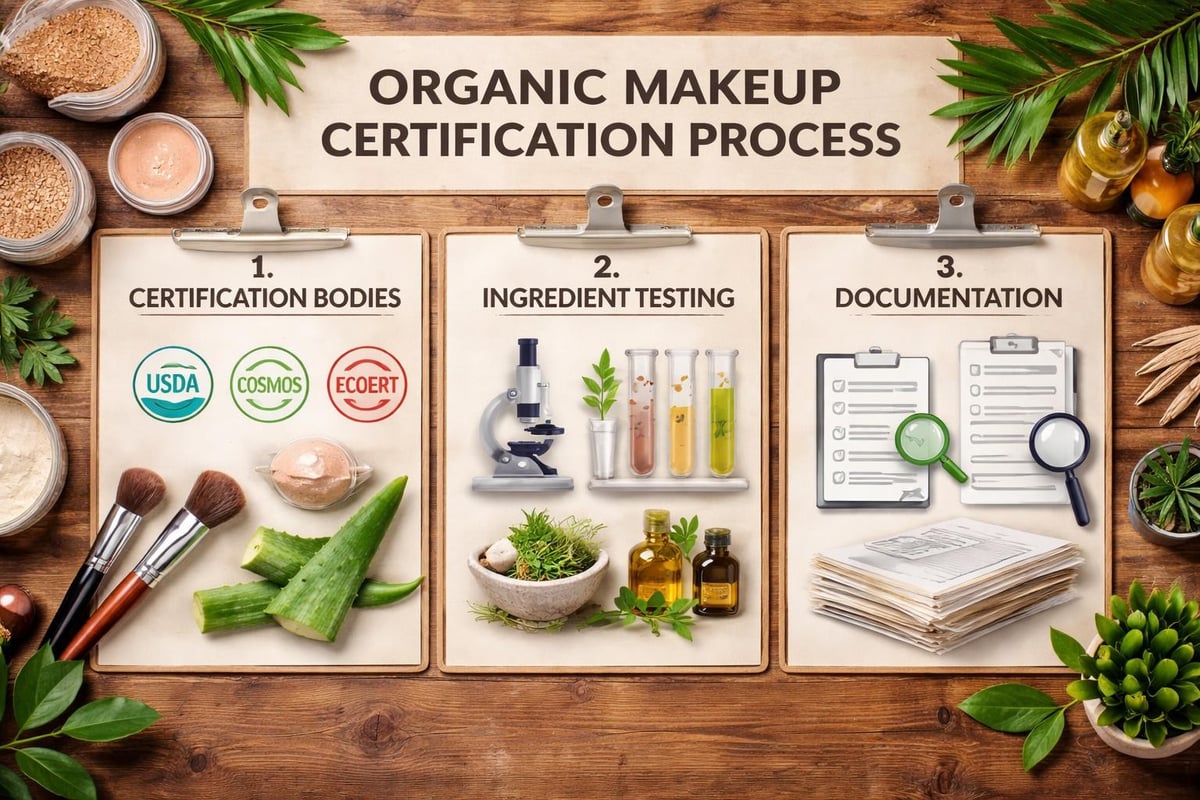
- Third-party certifications from organizations like USDA Organic, COSMOS, or Ecocert
- Complete ingredient disclosure with easy-to-understand labels
- Cruelty-free testing practices throughout development
- Sustainable packaging made from recyclable or biodegradable materials
- Ethical sourcing practices that support fair trade and community development
Many brands claim to be "natural" or "organic," but the distinction matters. According to sustainable beauty compliance research, only products meeting specific certification standards can legitimately claim organic status.
The Difference Between Natural and Organic
While all organic products are natural, not all natural products qualify as organic. Natural makeup may contain plant-based ingredients grown with conventional farming methods, while organic formulations require certified organic cultivation practices.
| Category | Growing Method | Certification | Typical Ingredients |
|---|---|---|---|
| Organic | No synthetic pesticides or GMOs | USDA/COSMOS certified | Certified organic oils, butters, extracts |
| Natural | May use conventional farming | Often self-designated | Plant-derived ingredients, minerals |
| Clean | Excludes harmful chemicals | Brand-specific standards | Varies widely by brand |
| Conventional | Standard commercial farming | Not required | Synthetic and natural blends |
The Growing Market for Organic Beauty Products
The organic cosmetics sector has experienced explosive growth, with the organic cosmetics market projected to reach $33.7 billion by 2033. This remarkable expansion reflects changing consumer priorities and increased awareness about ingredient safety.
Several factors drive this momentum. Gen Z and Millennial consumers prioritize sustainability and ethical production, willing to invest in brands that align with their values. Social media has amplified transparency, making it easier to research organic makeup companies and hold brands accountable for their claims.
Regional Trends and Consumer Preferences
The natural and organic cosmetics market shows distinct regional preferences, with North America and Europe leading adoption rates. Asian markets, particularly Korea and Japan, have integrated organic principles into innovative formulations that emphasize bouncy textures and multi-tasking convenience.
Korean beauty innovation has particularly excelled at combining organic ingredients with cutting-edge technology. Brands like Kaja Beauty demonstrate how stacked convenience and easy work makeup solutions can incorporate clean formulations without sacrificing performance or portability.
Benefits of Choosing Organic Makeup
Switching to organic makeup companies offers advantages that extend beyond your vanity. These benefits touch on personal health, environmental impact, and even social responsibility.
Skin Health Advantages
Organic formulations minimize exposure to potentially irritating synthetic chemicals, making them ideal for sensitive skin types. Natural ingredients like organic jojoba oil, shea butter, and botanical extracts provide nourishment while delivering color and coverage.
Top skin benefits include:
- Reduced risk of allergic reactions and irritation
- Nutrient-rich formulas that support skin barrier function
- Absence of controversial ingredients like parabens, phthalates, and synthetic fragrances
- Gentler formulations suitable for acne-prone or reactive skin
- Better long-term skin health outcomes
Environmental Impact
The environmental benefits of organic beauty products extend throughout the entire product lifecycle. Organic farming practices preserve soil health, protect water quality, and support biodiversity.
Production methods employed by organic makeup companies typically generate fewer greenhouse gas emissions and reduce chemical runoff into waterways. Sustainable packaging initiatives further minimize waste, with many brands offering refillable options or using post-consumer recycled materials.

How to Identify Authentic Organic Makeup Companies
Not every brand claiming natural credentials deserves your trust. Greenwashing remains prevalent in the beauty industry, with companies using misleading marketing to appear more environmentally friendly than they actually are.
Certification Labels That Matter
Look for recognized third-party certifications that verify organic claims through rigorous testing and auditing processes.
Trustworthy certifications include:
- USDA Organic - Requires 95% organic ingredients
- COSMOS Organic - European standard with strict guidelines
- Ecocert - International certification for natural and organic cosmetics
- Soil Association - UK-based organic certification
- Natrue - Independent label for natural and organic cosmetics
Reading Ingredient Lists Effectively
Ingredients appear in descending order by concentration, so the first five to seven ingredients comprise most of the formula. Organic makeup companies committed to transparency will clearly mark which ingredients hold organic certification.
Watch for vague terms like "natural fragrance" or "botanical extracts" without specific plant identification. Legitimate brands provide detailed information about ingredient sourcing and processing methods.
Popular Categories in Organic Makeup
Organic makeup companies now offer comprehensive product ranges covering every category from foundation to mascara. Quality and performance have improved dramatically, dispelling the myth that organic products can't deliver professional results.
Face Products
Organic foundations, concealers, and powders utilize mineral pigments and plant-based ingredients to create soft-focus blur effects and radiant finishes. Many formulas incorporate skin-benefiting ingredients like vitamin C, hyaluronic acid, and antioxidants.
Application tips for organic base products:
- Start with a hydrating primer to create a smooth canvas
- Use bouncy sponges or fingertips for seamless blending
- Set with translucent powder only in the T-zone for a natural finish
- Layer coverage gradually rather than applying heavily at once
The complexion collection at Kaja Beauty showcases how innovative formulations can deliver buildable coverage with creamy textures perfect for quick makeup looks.
Eye Makeup
From eyeshadows to eyeliners, organic options provide rich pigmentation without synthetic dyes. Many brands use minerals like mica, iron oxides, and titanium dioxide for vibrant, long-lasting color.
Creating an easy 5-minute smoky eye with organic products:
- Apply a neutral base shade across the entire lid using your finger
- Press darker color into the outer corner and crease
- Blend thoroughly with circular motions for a soft gradient
- Line the upper lash line with dark shadow or organic pencil
- Finish with two coats of organic mascara
The eye collection demonstrates how portable, stacked palettes make organic eye makeup accessible for busy lifestyles.
Lip Products
Organic lip products often contain nourishing oils and butters that condition while adding color. Glossy finishes, velvety mattes, and creamy tints all exist in certified organic formulations.
| Finish Type | Key Ingredients | Best For | Application Method |
|---|---|---|---|
| Glossy | Organic oils, vitamin E | Hydration, plumpness | Direct applicator or fingertip |
| Velvety | Mango butter, candelilla wax | Long wear, comfort | Lip brush for precision |
| Creamy | Shea butter, jojoba oil | Everyday color | Straight from tube |
The lips collection offers multi-purpose formats that work as lip color and cheek tint for streamlined routines.
Top Organic Makeup Companies to Watch in 2026
The landscape of organic makeup companies continues evolving with established leaders and innovative newcomers bringing fresh perspectives to clean beauty.
Established Leaders
Several brands have built reputations on consistent quality, transparent practices, and genuine commitment to organic principles. These companies often hold multiple certifications and invest heavily in sustainable operations.
Eco-friendly makeup brands prioritize environmental responsibility alongside product performance, setting industry standards for ethical beauty.
Innovation in Organic Formulations
Modern organic makeup companies leverage advanced extraction techniques, fermentation technology, and bioactive compounds to enhance performance. K-beauty brands particularly excel at combining traditional botanical knowledge with contemporary scientific research.
The intersection of organic ingredients and innovative delivery systems creates products that feel luxurious while maintaining clean credentials. Bouncy gel textures, cushion applicators, and dual-ended convenience demonstrate that organic doesn't mean compromising on user experience.

Building Your Organic Makeup Routine
Transitioning to organic makeup companies doesn't require replacing everything overnight. A thoughtful, gradual approach allows you to discover which products work best for your needs.
Essential Products for Beginners
Start with items you use daily and products applied to large surface areas. These have the greatest impact on your overall chemical exposure.
Priority replacements:
- Foundation or BB cream for full-face coverage
- Mascara applied near sensitive eye area
- Lipstick or gloss with potential for ingestion
- Blush for cheek color and dimension
- Brow product for daily grooming
Creating Easy Work Makeup Looks
Professional appearances don't require extensive time or complicated techniques. Organic makeup companies offer multi-purpose products that simplify your routine without sacrificing polish.
Quick 10-minute work makeup:
- Even skin tone with tinted moisturizer or light foundation
- Conceal any blemishes or dark circles
- Add warmth with cream blush on cheeks and apples
- Define brows with pencil or powder
- Apply neutral eyeshadow across lids
- Coat lashes with brown or black mascara
- Finish with tinted lip balm or neutral lipstick
The best-sellers collection features cult-favorite products designed for effortless application and all-day wear.
Storage and Longevity of Organic Products
Organic formulations lack synthetic preservatives, which affects their shelf life and storage requirements. Understanding these considerations ensures product safety and optimal performance.
Proper Storage Techniques
Keep organic makeup in cool, dry locations away from direct sunlight. Heat and humidity accelerate degradation of natural ingredients.
Storage best practices:
- Store cream products in temperatures below 75°F
- Keep applicators clean to prevent bacterial contamination
- Close containers tightly after each use
- Avoid storing makeup in bathrooms with high humidity
- Use products within recommended timeframes
Recognizing When to Replace Products
Natural preservatives like vitamin E and rosemary extract extend shelf life but don't match synthetic alternatives' longevity. Monitor for changes in smell, texture, or color indicating degradation.
Typical organic makeup lifespans:
- Mascara: 3 months after opening
- Liquid foundation: 6-12 months
- Cream blush: 12-18 months
- Powder products: 18-24 months
- Lip products: 12 months
Price Considerations and Value
Organic makeup companies often carry higher price points than conventional brands due to premium ingredients, certification costs, and smaller production scales. However, strategic shopping can make clean beauty accessible.
Understanding the Price Premium
Organic farming costs more than conventional agriculture. Certification requires fees, audits, and documentation. Smaller production runs increase per-unit manufacturing costs.
Yet the investment delivers value beyond the product itself. You're supporting sustainable agriculture, ethical labor practices, and companies committed to transparency.
Finding Affordable Options
Budget-friendly strategies include:
- Shop sale collections for discounted organic options
- Choose multi-purpose products that replace several single-use items
- Invest in staples you use daily, economize on occasional-use products
- Take advantage of value sets offering bundled savings
- Follow brands on social media for exclusive promotions
The multi-purpose collection showcases products designed to work across face, eyes, and lips, maximizing value through versatility.
The Future of Organic Makeup Companies
As consumer awareness grows and technology advances, organic makeup companies continue pushing boundaries in formulation science and sustainable practices.
Emerging Trends
Waterless formulations eliminate the need for preservatives while concentrating active ingredients. Upcycled ingredients transform agricultural byproducts into valuable cosmetic components. Refillable packaging systems reduce waste while maintaining product integrity.
Biotechnology enables lab-grown ingredients that are molecularly identical to plant extracts but require fewer resources to produce. This innovation may reshape how we define "organic" in coming years.
Regulatory Developments
Governments worldwide are strengthening cosmetics regulations, with increased focus on ingredient safety and environmental impact. These changes will likely benefit legitimate organic makeup companies while making it harder for brands to greenwash.
Enhanced transparency requirements and stricter enforcement of organic claims will help consumers make informed decisions with confidence.
Integrating Organic Choices with Your Lifestyle
Choosing organic makeup companies represents one aspect of a broader commitment to conscious consumption. The decision ripples outward, influencing other purchasing habits and encouraging brands to prioritize sustainability.
Beyond the Product
Consider the complete brand ecosystem. Do they pay fair wages? Support charitable causes? Minimize carbon footprint? Use renewable energy? These factors separate companies truly committed to positive impact from those focused solely on profit.
Community and Education
Many organic makeup companies invest in consumer education, offering tutorials, ingredient glossaries, and transparent sourcing information. Engaging with these resources deepens your understanding and helps you become a more informed advocate for clean beauty.
The Kaja Beauty blog provides helpful content about makeup techniques, product selection, and beauty trends that make organic choices accessible and enjoyable.
The shift toward organic makeup reflects a broader cultural movement prioritizing health, sustainability, and ethical consumption. By choosing products from organic makeup companies, you invest in formulations that nourish your skin while supporting environmental stewardship. Whether you're creating a quick 5-minute look for work or experimenting with bold eye makeup for special occasions, clean beauty options deliver the performance and convenience you need. Kaja Beauty combines Korean beauty innovation with playful, multi-tasking products designed for modern lifestyles-offering cruelty-free formulations in portable, easy-to-use formats that fit seamlessly into your daily routine.

